By Liz Sfeir
October 21, 2026
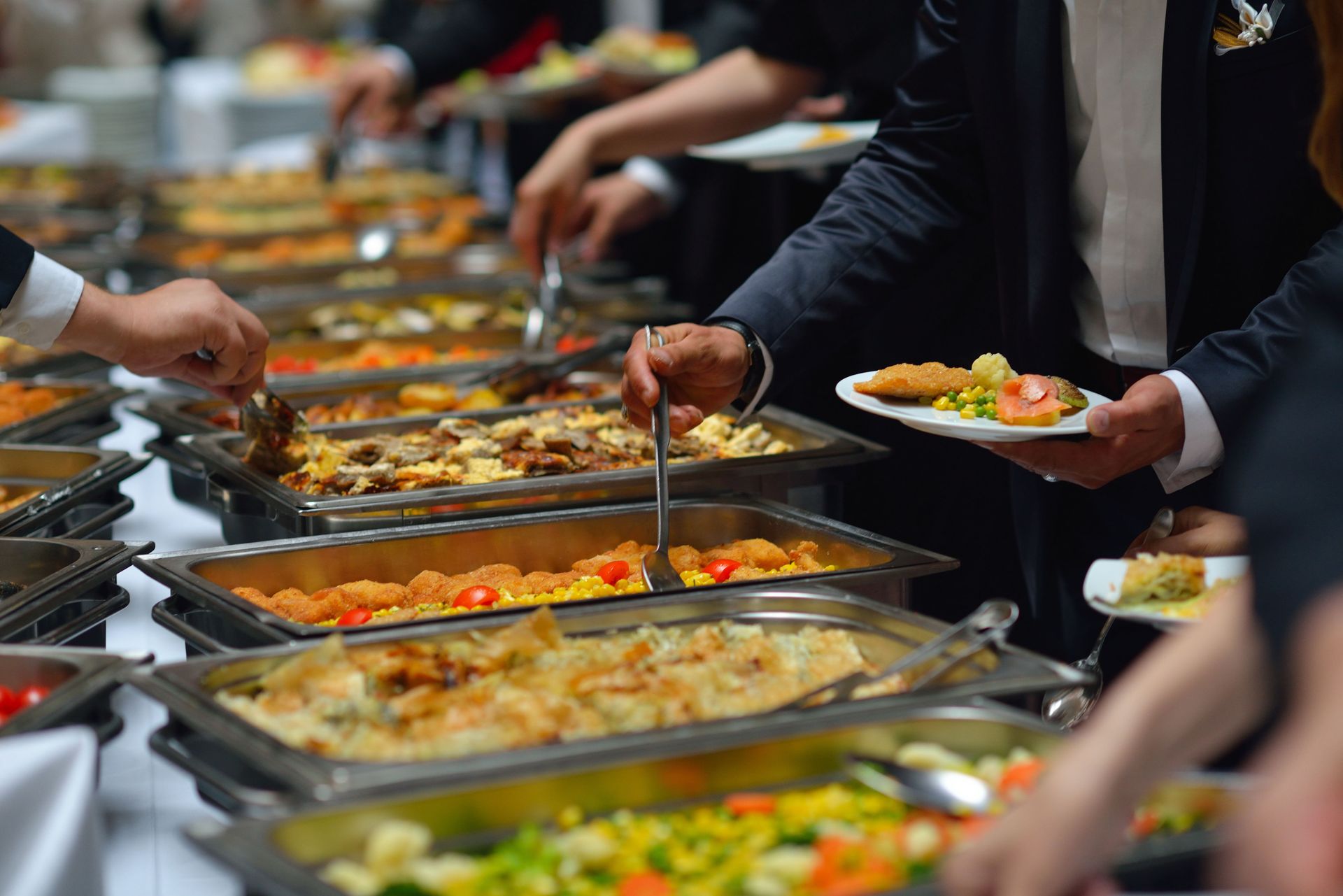
Office productivity depends on more than employee skills and efficient work processes. Employees also need time to recharge, access to food, and a work environment that supports their daily needs. According to Market Research Future, corporate catering accounts for nearly 30% of the total catering market. This reflects its role in helping businesses organize workplace meals. When meals are planned well, staff can spend less time managing lunch arrangements and more time focusing on their responsibilities. Consistent meal planning can also help businesses create a more comfortable and organized work environment. This article explains how a corporate catering service can support office productivity, improve employee satisfaction, encourage teamwork, and help businesses manage workplace meals more effectively.
Supporting Energy and Focus
Employees need regular meals to maintain their energy throughout the workday. Skipping lunch or relying on limited food options can make it harder to stay focused, especially during long meetings or demanding projects. Providing convenient access to meals can help employees take a proper break and return to their tasks with renewed attention. Workplace meals can also help employees manage busy schedules. When staff have limited time between meetings or deadlines, finding food outside the office may become an additional challenge. Employees who have a convenient meal option may find it easier to maintain a consistent daily routine.
Having meals available at the workplace reduces the need to leave the building or spend time searching for nearby options. A corporate catering service can help businesses make meal planning more consistent. Scheduled meals give employees a convenient option during the workday and can reduce the time spent making individual food arrangements. Although meals alone cannot guarantee higher productivity, convenient access to food can support employees as they manage their daily responsibilities. Providing a suitable place and enough time to eat can also help staff return to work feeling refreshed.
Reducing Time Spent on Meal Planning
Lunch breaks are important, but organizing meals can take time away from other workplace activities. Employees may need to coordinate group orders, travel to restaurants, wait in lines, or work around different delivery schedules. These small tasks can become more disruptive when a team has a busy calendar or several important deadlines. Organized workplace meals can reduce some of these interruptions. When food is arranged ahead of time, employees have a clearer idea of when and where they can eat. This can make it easier to plan meetings, coordinate breaks, and return to work without unnecessary delays. Planning can also reduce last-minute questions about food choices and delivery times.
A corporate catering service can also simplify meal coordination for managers and administrative staff. Instead of having employees make separate arrangements, businesses can plan meals around their schedules and workplace needs. This approach can be especially useful during training sessions, company meetings, and other events that require employees to remain on-site. Reducing the time spent on meal logistics allows staff to focus on more important responsibilities. It also helps businesses create a more organized workday without removing the need for employees to take meaningful breaks. Clear communication about meal times and available options can make these arrangements easier for everyone involved.
Improving Employee Satisfaction
Employees often value workplace benefits that make their daily routines easier. Access to convenient meals can show that a company recognizes the practical needs of its staff. This consideration may contribute to a more positive workplace experience, particularly for employees who have demanding schedules or limited time to leave the office. Employee satisfaction can influence motivation, communication, and engagement. When people feel that their needs are considered, they may be more willing to participate in workplace activities and contribute to shared goals. Food is only one part of the employee experience, but it can be a useful way to make the workday more comfortable.
Businesses should also consider the needs of different employees when planning meals. Dietary restrictions, food allergies, cultural preferences, and individual tastes can affect whether staff find the available options suitable. Gathering feedback can help businesses understand these needs and make more practical decisions. A corporate catering service can help companies organize workplace meals while accounting for employee preferences. Offering suitable choices can make meal arrangements more inclusive and help staff feel considered, supporting a more positive atmosphere across the office. Reviewing feedback after company meals can also help businesses adjust future menus and make better choices for different groups.
Encouraging Teamwork and Communication
Shared meals create opportunities for employees to interact outside their usual work tasks. Colleagues from different departments may have limited opportunities to speak during a typical workday, especially when their responsibilities keep them focused on separate projects. A shared lunch can create a more relaxed setting for conversation and relationship-building. These interactions can support communication across teams. Employees may exchange ideas, learn more about each other's responsibilities, or discuss workplace challenges in a less formal environment. While a meal cannot replace clear communication systems or structured collaboration, it can help create opportunities for natural interaction.
Group meals can also make company gatherings more welcoming. New employees may find it easier to meet colleagues when food brings people together, while established teams can use shared breaks to reconnect during demanding periods. These experiences may contribute to stronger working relationships over time. When businesses plan meals for meetings or team events, a corporate catering service can help bring employees together without requiring each person to make separate arrangements. This allows organizers to focus on the purpose of the gathering while giving participants a convenient way to share a meal. Shared breaks can also help employees get to know colleagues they do not work with directly, which may support communication across departments.
Creating More Effective Meetings
Meetings can take up much of the workday, especially when employees coordinate schedules across departments. When meetings overlap with lunch, staff may struggle to find time to eat without missing important discussions. Planning meals around meeting schedules can help reduce these challenges. Providing food during longer meetings or training sessions allows employees to remain on-site and helps organizers schedule breaks more easily. This can be useful for company-wide discussions, planning sessions, workshops, and other group events. Advance meal arrangements may also help organizers keep the schedule clear and limit unnecessary interruptions.
Meal arrangements should still allow employees enough time to eat comfortably. Rushing through lunch or expecting staff to work continuously while eating can limit the benefits of providing food. Well-planned breaks help employees maintain attention and participate more effectively when the meeting resumes. A corporate catering service can help businesses coordinate meal timing with their meeting schedules. Planning ahead also makes it easier to estimate attendance, account for dietary needs, and reduce interruptions during important discussions. Organizers should communicate meal times in advance so attendees can plan around the schedule and know when breaks will be available.
Workplace meals can support productivity by helping employees manage their time, maintain their energy, and connect with colleagues. Organized meal planning may also reduce scheduling challenges, support effective meetings, and make daily routines easier to manage. These benefits depend on choosing an approach that fits the needs of the business and its employees. Companies should consider meal timing, employee preferences, dietary requirements, attendance, and overall costs when deciding how to provide food at work. Gathering feedback and reviewing arrangements over time can help businesses identify practical improvements. If your business wants to make workplace meals easier to manage, contact Well Done Catering to discuss how a corporate catering service can support your employees and create a more productive office environment.